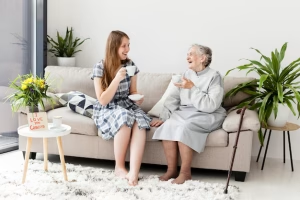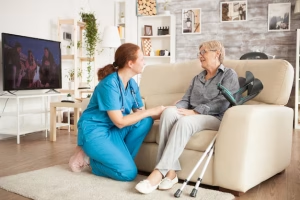
Personal Care helps seniors manage daily tasks so they can stay safe, comfortable, and independent at home. When bathing, dressing, or moving around becomes harder, personal care services provide hands-on support without taking away dignity. As a result, older adults can often continue aging in place, while families gain peace of mind.
Unlike medical care, personal care focuses on everyday living assistance. It supports routines that protect well-being and reduce fall risks. Additionally, services can change over time as needs evolve.
Key takeaways about personal care
- Personal care supports activities of daily living (ADLs) like bathing, dressing, and grooming.
- Care plans are customized to match each senior’s needs and preferences.
- Trained caregivers promote safety, dignity, and independence at home.
- Personal care can reduce stress and burnout for family caregivers.
- Piedmont Home Care is private pay and does not accept Medicare or Medicaid.
Understanding personal care for seniors
Personal care is non-medical support for older adults who struggle with daily routines due to age, illness, injury, or limited mobility. It does not include diagnosing conditions or providing treatments. Instead, it helps with essential self-care tasks that improve comfort and confidence.
Caregivers typically work with the senior and family to build a routine and a plan that fits the client’s lifestyle. Therefore, seniors receive help where needed while staying as independent as possible.
Common personal care tasks
- Bathing and personal hygiene
- Dressing and grooming
- Mobility assistance and transfers
- Meal preparation and hydration support
- Light housekeeping and laundry
- Medication reminders (non-medical)
- Safety supervision and fall prevention
What services are included in personal care?
Personal care services cover the daily activities that help seniors stay steady, clean, and comfortable at home. However, the exact support depends on health, mobility, and personal preferences.
Bathing and hygiene assistance
Good hygiene supports physical health and self-esteem. Yet bathing can be risky when balance, strength, or joint pain is a concern. A caregiver can assist with showering, skin care, hair care, grooming, and other hygiene needs to reduce slips and falls.
Dressing and grooming support
Arthritis, weakness, and limited range of motion can make dressing frustrating. Personal care includes help choosing appropriate clothes, getting dressed, and keeping up with grooming routines. Consequently, many seniors feel more confident throughout the day.
Mobility and safety assistance
Safe movement helps seniors stay active and independent. Since falls are a leading cause of injury in older adults, mobility support is often a priority.
- Walking assistance around the home
- Getting in and out of bed
- Chair and toilet transfers
- Stair navigation support
- Fall prevention strategies and supervision
Who can benefit from personal care services?
Many people think personal care is only for severe health problems. In reality, it helps a wide range of seniors who want to stay at home but need extra support with daily living.
Older adults experiencing age-related changes
Strength, balance, and flexibility often decline with age. As a result, routine tasks may take longer or feel unsafe. Personal care offers practical help while supporting independence and confidence.
Seniors recovering from surgery or illness
Recovery can create temporary limits with bathing, dressing, and moving safely. Short-term personal care can make healing easier, reduce stress, and lower the chance of accidents at home.
Individuals living with chronic conditions
Conditions like Parkinson’s disease, arthritis, heart disease, and multiple sclerosis can affect mobility and stamina. Personal care supports consistent routines and home safety, which can improve quality of life.
How personal care supports independence at home
Accepting help does not mean giving up control. In fact, personal care often increases independence by making daily routines safer and more manageable.
With the right level of assistance, seniors can often:
- Remain in familiar surroundings
- Keep daily routines and preferences
- Stay socially engaged
- Continue hobbies and light activity
- Feel more secure and confident
Personal care vs other care options
Care terms can be confusing. Personal care is hands-on help with activities of daily living, while companion care focuses more on social connection and supervision. Additionally, home health care involves medical services delivered by licensed professionals.
Some seniors benefit from combining services. For example, non-medical personal care can support routines alongside medical care when needed.
How families benefit from personal care
Family caregivers often help first. However, caregiving can become exhausting when combined with work and other responsibilities. Personal care services can share the load while keeping the senior’s routine consistent.
Benefits for family caregivers
- Reduced stress and fewer emergencies
- More flexibility in scheduling
- Better work-life balance
- More quality time with loved ones
- Lower risk of caregiver burnout
Choosing the right personal care provider
Choosing a provider is a major decision. Look for clear communication, reliable scheduling, and a personalized approach. Also, confirm how caregivers are trained and screened.
Questions to ask before you hire
- What personal care tasks are included in the care plan?
- How do you train, screen, and supervise caregivers?
- Can the plan change if needs increase?
- What scheduling options are available?
- How do you match caregivers with clients?
Why the need for personal care is growing
More Americans are choosing to age in place, which increases demand for in-home support. Personal care plays a key role by helping seniors stay safer at home for longer. For population and aging trends, you can visit the U.S. Census Bureau.
Conclusion
Personal care for seniors is non-medical, daily living assistance that supports safety, comfort, and dignity at home. Whether a loved one needs help with hygiene, dressing, mobility, or routines, personal care can improve quality of life and reduce family stress.
Please note: Piedmont Home Care is a private pay provider and does not accept Medicare or Medicaid.
Contact Piedmont Home Care today to discuss a customized personal care plan and find the right level of support for your family.
Frequently asked questions
What is personal care for seniors?
Personal care for seniors is non-medical help with everyday tasks that may become difficult due to aging or mobility limits. It often includes bathing, dressing, grooming, meal prep, medication reminders, and safety supervision.
Who needs personal care services?
Seniors who want to remain at home but need help with activities of daily living often benefit. This includes older adults recovering from surgery, living with chronic conditions, or experiencing balance and strength changes.
What does a personal care attendant do?
A personal care attendant provides hands-on support with hygiene, dressing, grooming, transfers, mobility, light housekeeping, meal preparation, and non-medical reminders, based on the care plan.
Is personal care different from home health care?
Yes. Personal care is non-medical support with daily routines. Home health care involves medical services provided by licensed clinicians. Some seniors use both as part of a broader plan.
How can I tell if my loved one needs personal care?
Common signs include trouble bathing or dressing, missed medications, frequent falls or near-falls, poor hygiene, weight loss from skipped meals, or increasing dependence on family for basic tasks.