Deciding how to care for an aging loved one is rarely straightforward. Many families begin with the assumption that they will provide all the support themselves. However, as care needs evolve, what starts as occasional assistance with errands or appointments can quickly become a significant daily responsibility.
The decision between professional home care and family caregiving is not about determining which option is “better.” Instead, it is about understanding which approach best supports a senior’s safety, independence, and quality of life while remaining sustainable for everyone involved.
Family caregivers offer familiarity, emotional connection, and a deep understanding of their loved one’s preferences. Professional caregivers bring experience, consistency, and structured support that can adapt as needs change. In many cases, the most effective care plan includes both.
This guide explores the key differences between professional home care and family caregiving, helping families make informed decisions that benefit both seniors and those who care for them.
Key Takeaways
- Family caregiving provides emotional support and familiarity but can become difficult to sustain as care needs increase.
- Professional home care offers trained, dependable assistance designed to promote safety and independence.
- Care decisions should consider both the senior’s needs and the caregiver’s long-term well-being.
- Combining family involvement with professional support often provides the most balanced solution.
- Early planning can help families avoid caregiver burnout and respond more effectively to changing health needs.
- Piedmont Home Care is a private pay provider and does not accept Medicare or Medicaid.
Understanding Family Caregiving
Family caregiving remains the foundation of support for millions of older adults across the United States. According to national caregiving studies, family members provide the majority of long-term care assistance, often without formal training or preparation.
For many families, caregiving develops gradually. A daughter may begin by helping with grocery shopping, while a spouse manages medications or transportation to appointments. Over time, these responsibilities can expand to include personal care, mobility assistance, meal preparation, and ongoing supervision.
Although caregiving can be deeply rewarding, it also requires considerable time, energy, and emotional commitment. As a loved one’s needs become more complex, families may find themselves balancing caregiving responsibilities alongside careers, children, and their own health concerns.
Recognizing when additional support is needed is not a sign of failure. Rather, it is an important step toward ensuring seniors receive the level of care they need while preserving the well-being of the people who care for them most.
Why Family Care giving Matters
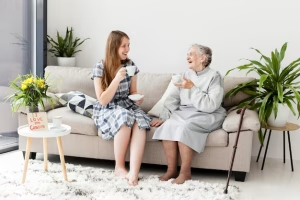
Family caregiving offers advantages that cannot be easily replicated. Loved ones understand personal histories, family traditions, and daily routines that contribute to a senior’s sense of comfort and security.
This familiarity can be especially valuable during periods of change, helping older adults maintain a sense of normalcy and emotional connection. However, emotional investment alone does not eliminate the practical challenges that often accompany long-term caregiving.
Professional Home Care vs family caregiving: the key differences
Both options aim to help seniors thrive. However, they differ in training, consistency, and emotional dynamics.
Training and experience
Family caregivers often learn as they go. They may not know safe transfer methods or how to reduce fall risk.
Professional caregivers receive training and hands-on experience. As a result, they can provide safer support for daily activities and changing needs.
Consistency and reliability
Families may juggle jobs, children, and travel time. That can lead to gaps in coverage, even with the best intentions.
Professional care follows a schedule. Therefore, seniors can rely on timely help with meals, hygiene, and routines.
Emotional involvement and boundaries
Family care comes with deep emotions. That closeness can be a strength, but it may also create tension during stressful moments.
Professional caregivers bring compassion with clear boundaries. This often reduces conflict and keeps care tasks focused and calm.
Benefits of family caregiving
Family support can be powerful for a senior’s emotional well-being. It also helps loved ones stay closely involved.
- Strong emotional connection and trust
- Familiar routines and preferences
- Flexible help for errands and check-ins
- Ongoing family engagement and advocacy
- Quick awareness of subtle changes
Common challenges family caregivers face
Caregiving can be rewarding, but it can also wear people down. Many families relate to the shifting responsibilities discussed in Family roles in elderly care.
- Physical fatigue from lifting, assisting, and daily tasks
- Emotional stress and worry
- Less personal time and social isolation
- Financial strain from missed work or added expenses
- Caregiver burnout that affects the whole household
How professional Home Care supports families
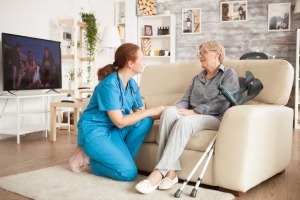
Professional caregivers do not replace family. Instead, they support the family system. This can protect relationships and reduce daily pressure.
Professional care can help by:
- Reducing caregiver stress and preventing burnout
- Providing hands-on help with personal care and routines
- Improving safety and supervision at home
- Offering flexible schedules, including respite support
- Supporting independence and aging in place
Families also explore short-term relief through professional respite care services, especially during busy seasons or health changes.
Supporting seniors as care needs change
Needs can shift quickly after illness, injury, or surgery. Some families first seek support during recovery and then continue long-term. For example, many people learn how home care supports post-operative recovery when routine tasks become difficult.
Others need help during rehabilitation after a stroke or with ongoing mobility challenges. In each case, care plans can adapt as a senior improves or needs more assistance.
Daily living support without medical care
Many older adults need help with activities of daily living, not medical treatment. A trained personal care attendant can assist with bathing, dressing, grooming, meals, and safe movement.
This non-medical support differs from home health care, which involves clinical services from licensed professionals. Understanding the difference helps you choose the right level of help.
When professional Home Care may be the right choice
Every family situation is different. Still, some signs suggest professional support could improve safety and reduce stress.
- Trouble managing bathing, dressing, meals, or mobility
- Increased fall risk or frequent near-falls
- Caregiver stress that affects work or health
- Recovery after illness, hospitalization, or surgery
- Memory-related concerns and need for supervision
- Need for consistent daily routines and check-ins
Getting support early can prevent crises later. It can also keep aging in place more realistic.
Finding the right balance between family and professional care
Many families do not choose one option forever. Instead, they blend family involvement with professional caregiving. This approach keeps loved ones involved while ensuring consistent, dependable help.
The goal is simple: protect the senior’s safety and comfort while protecting the caregiver’s well-being.
The growing need for senior home support
The U.S. population of adults 65+ continues to grow. Therefore, more families are seeking support that allows seniors to remain at home. For current aging trends, visit the U.S. Census Bureau’s resources on older adults and aging.
Conclusion
Understanding professional home care vs family caregiving helps you make a practical plan for your loved one. Family care offers connection and familiarity. Professional support brings training, structure, and reliability.
Please note that Piedmont Home Care is a private pay provider and does not accept Medicare or Medicaid.
If you are exploring Home Care options for an aging loved one, contact Piedmont Home Care today to discuss personalized support and scheduling.
Frequently asked questions
What is the difference between professional home care and family caregiving?
Family caregiving is provided by relatives or friends. Professional home care is provided by trained caregivers who support daily activities and in-home routines.
Is professional home care better than family caregiving?
Not always. The best option depends on care needs, safety concerns, and family availability. Many families combine both for better coverage.
When should families consider professional home care?
Consider it when daily tasks become difficult, safety risks increase, or caregiving becomes overwhelming. Early support can prevent burnout and reduce emergencies.
Can caregivers help with daily living assistance?
Yes. Caregivers often assist with bathing, dressing, grooming, meal preparation, mobility, and companionship.
Does professional home care replace family involvement?
No. Professional caregivers complement family support. Families stay involved while gaining help with day-to-day care needs.