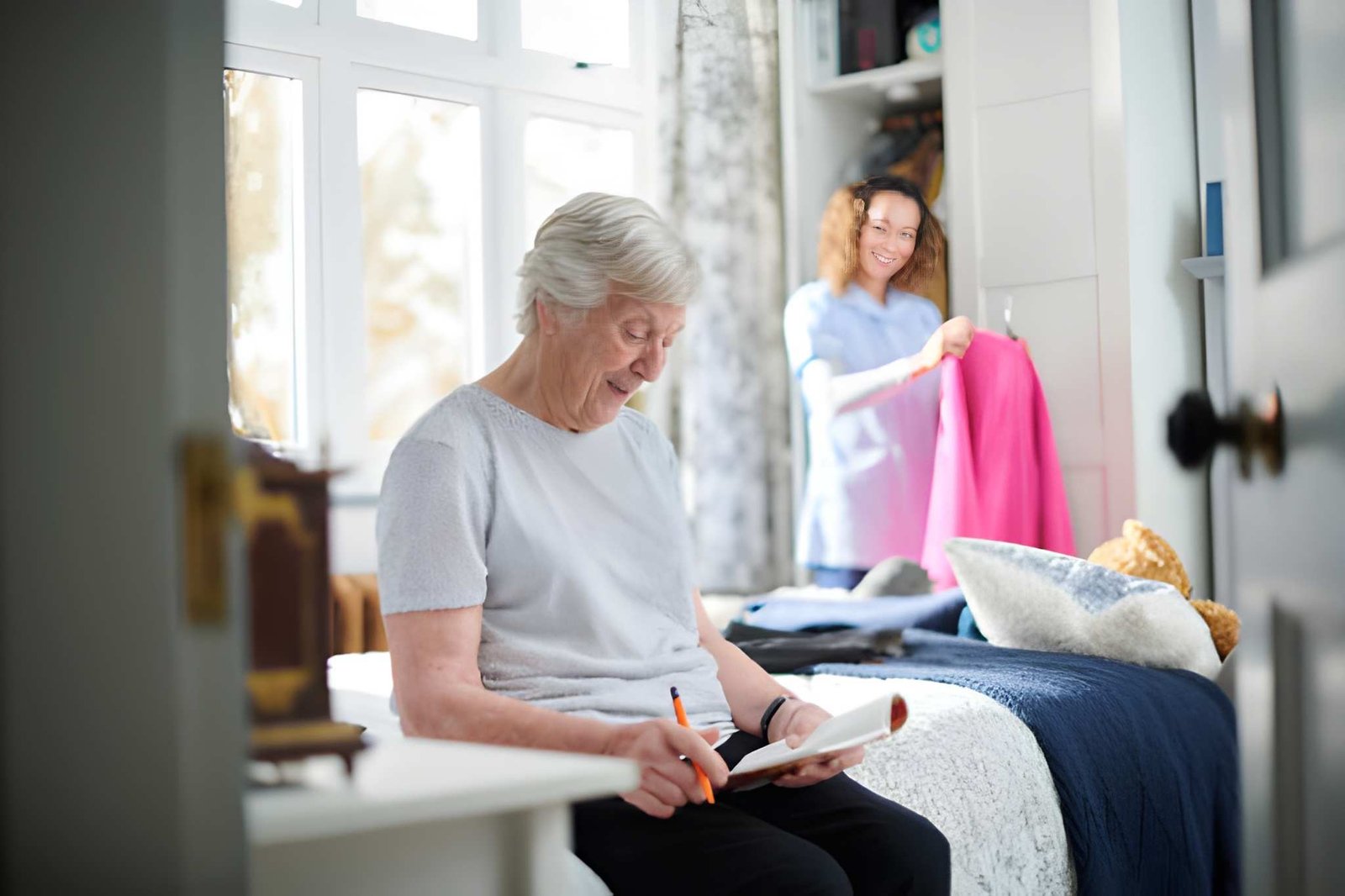
Dementia home care services help seniors live safely and comfortably in familiar surroundings while getting the support they need each day. Many families now choose home care services because they provide comfort, routine, and personal attention for loved ones with memory loss. With the right care plan, seniors can enjoy better emotional well-being, daily structure, and stronger family support.
Key Takeaways
- Dementia care at home helps seniors stay in familiar surroundings
- Structured routines reduce stress and confusion
- Trained caregivers provide safety and emotional support
- Family involvement improves quality of life
- Personalized care plans support changing needs over time
- Memory care at home can lower anxiety and encourage independence
Understanding Dementia and Daily Challenges
Dementia affects memory, thinking, and behavior. It can make simple daily tasks harder over time. Seniors may forget names, appointments, or even familiar places. Because of this, families often need extra support to keep loved ones safe and comfortable at home.
Many families choose elderly home care because it gives seniors one-on-one attention in a familiar setting. Home environments can reduce fear and confusion, especially for people with Alzheimer’s disease or other forms of dementia.
Common Challenges Dementia Patients Face
People living with dementia may struggle with:
- Remembering medications
- Following conversations
- Managing meals and hydration
- Wandering or getting lost
- Mood swings or anxiety
- Trouble sleeping
These challenges often increase as the condition progresses. As a result, professional caregivers can play an important role in daily support.
Why Dementia Home Care Services Matter
Dementia care requires patience, consistency, and specialized training. Unlike general caregiving, dementia support focuses on emotional reassurance, memory support, and safe daily living.
Professional caregivers help seniors complete everyday tasks while protecting dignity and independence. In many cases, seniors respond better when they receive care in their own homes instead of moving to a facility.
Benefits of Receiving Care at Home
Families often prefer in home senior care because it offers:
- Familiar surroundings and routines
- Lower stress and confusion
- Personalized one-on-one care
- Flexible schedules
- Better family involvement
- Emotional comfort for seniors
In addition, home care allows caregivers to focus on individual habits, preferences, and routines.
The Importance of Alzheimer’s Caregiver Training
Proper Alzheimer’s caregiver training helps caregivers understand how dementia changes behavior and communication. Training also teaches caregivers how to respond calmly during difficult situations.
Experienced caregivers know how to redirect attention, reduce agitation, and create a peaceful environment. This approach improves safety while helping seniors feel respected and understood.
Skills Dementia Caregivers Learn
Professional dementia caregivers are trained to:
- Communicate with patience and clarity
- Handle confusion and aggression calmly
- Prevent wandering risks
- Support eating and hydration habits
- Monitor medication reminders
- Encourage safe movement and exercise
The Alzheimer’s Association offers trusted dementia education and caregiving resources for families and professionals. Alzheimer’s Association Caregiver Center. Learn more about dementia caregiving techniques and support strategies through trusted Alzheimer’s education resources.
How Memory Care at Home Improves Quality of Life
Memory care at home focuses on creating a safe and calming routine for seniors with memory loss. Familiar surroundings often reduce confusion and emotional stress.
Caregivers can also personalize activities based on hobbies, favorite music, or family traditions. These activities help seniors stay mentally engaged and emotionally connected.
Simple Activities That Support Cognitive Health
Caregivers may encourage:
- Listening to familiar music
- Looking through family photo albums
- Simple puzzles or matching games
- Gentle walks outdoors
- Light stretching exercises
- Reading short stories together
These activities support emotional comfort while encouraging brain stimulation.
Building a Dementia Daily Routine
A structured dementia daily routine helps seniors feel more secure throughout the day. Predictable schedules reduce anxiety because seniors know what to expect.
Caregivers often create routines around meals, hygiene, medications, exercise, and rest. Even small habits can make a big difference in emotional comfort.
Elements of a Healthy Daily Routine
A dementia-friendly routine may include:
- Regular meal times
- Morning hygiene assistance
- Medication reminders
- Quiet afternoon activities
- Evening relaxation routines
- Consistent sleep schedules
Families searching for Daily Routine Alzheimer’s Care often notice fewer behavioral changes once routines become consistent.
The Role of Cognitive Support in Dementia Care
Strong cognitive support helps seniors stay engaged and connected with the world around them. While dementia cannot be cured, supportive activities may help maintain abilities longer.
Caregivers use simple communication and memory prompts to reduce frustration. For example, they may label household items or use visual reminders throughout the home.
Ways Caregivers Provide Cognitive Support
Caregivers often help by:
- Using short and simple sentences
- Offering gentle reminders
- Encouraging social interaction
- Maintaining familiar routines
- Reducing loud or distracting environments
These methods can improve communication and reduce emotional distress.
Safety and Personal Care Assistance at Home
Safety becomes more important as dementia progresses. Many seniors need help with bathing, dressing, meal preparation, and mobility.
Professional caregivers provide personal care assistance while respecting privacy and independence. A trained personal care attendant can also monitor changes in behavior or physical health.
Home Safety Tips for Dementia Patients
Families can improve safety by:
- Installing grab bars in bathrooms
- Removing tripping hazards
- Locking dangerous items away
- Improving home lighting
- Using medication reminders
- Monitoring exits to prevent wandering
The National Institute on Aging also provides guidance for creating safer living spaces for dementia patients. National Institute on Aging Dementia Care Tips. Review these expert dementia safety recommendations to help create a safer home environment for seniors.
Family Roles in Elderly Care
Families remain a vital part of dementia care. Professional caregivers can provide support, but emotional connections with loved ones still matter greatly.
Strong Family Roles in Elderly Care often improve emotional stability for seniors living with dementia. Family members can participate in routines, attend appointments, and provide companionship.
Ways Families Can Support Dementia Care
Family members can help by:
- Visiting consistently
- Sharing updates with caregivers
- Encouraging favorite activities
- Monitoring changes in behavior
- Helping with appointments and medications
Open communication between caregivers and families creates more consistent care.
Companion Care vs Personal Care
Many families ask about Companion Care vs Personal Care when choosing services for a loved one with dementia. Both services provide support, but they focus on different needs.
Companion care mainly provides emotional support and social interaction. Personal care includes hands-on help with daily living activities.
Differences Between Companion and Personal Care
Companion Care Includes:
- Conversation and companionship
- Meal companionship
- Light reminders
- Recreational activities
- Emotional support
Personal Care Includes:
- Bathing assistance
- Dressing support
- Toileting help
- Mobility assistance
- Hygiene support
A trusted senior care service can help families choose the right combination of support.
Choosing the Right Dementia Care Provider
Finding the right caregiver takes time and careful planning. Families should look for providers with dementia experience, strong communication skills, and flexible care plans.
The best care providers focus on safety, emotional support, and personalized routines. Families should also discuss payment options when selecting care services. Piedmont Home Care is a private pay provider and does not accept Medicare or Medicaid, allowing for more flexible and personalized care plans tailored to each senior’s needs.
Questions Families Should Ask
Before hiring a caregiver, ask:
- Do caregivers receive dementia-specific training?
- How are emergencies handled?
- Can care plans change over time?
- Is overnight care available?
- How is family communication managed?
These questions help families feel confident about the care process.
Conclusion
Dementia home care services provide safety, comfort, and emotional support for seniors living with memory loss. With trained caregivers, structured routines, and personalized attention, seniors can continue living in familiar surroundings while receiving compassionate care. From cognitive support to personal assistance, home-based dementia care helps improve quality of life for both seniors and families.
If your loved one needs compassionate dementia support, contact Piedmont Home Care today to learn more about personalized in-home care options.
FAQs
1. What are dementia home care services?
Dementia home care services provide specialized support for seniors with memory loss. Caregivers help with routines, safety, meals, hygiene, and emotional support at home.
2. How does memory care at home help seniors?
Memory care at home keeps seniors in familiar surroundings, which may reduce stress and confusion. It also allows caregivers to create personalized routines and activities.
3. Why is Alzheimer’s caregiver training important?
Alzheimer’s caregiver training teaches caregivers how to handle communication challenges, wandering risks, and behavioral changes safely and calmly.
4. What is included in personal care assistance?
Personal care assistance may include bathing, dressing, grooming, mobility support, toileting help, and medication reminders.
5. How can families support a loved one with dementia?
Families can help by maintaining routines, offering patience and emotional support, creating a safe environment, and staying involved in their daily care.