A successful hospital to home transition care plan is crucial for seniors recovering from illness, surgery, or chronic conditions. This type of care ensures continuity, reduces recovery risks, and helps seniors regain independence in a familiar environment. With the support of trained home care caregivers and a reliable senior care service, proper planning, home assistance, and monitoring make the difference between a smooth recovery and unnecessary hospital readmissions. Understanding this process empowers families to make informed decisions about the care their loved one needs at home.
Key Takeaways:
- Transition care reduces post-hospital complications and readmission risks.
- Home care support ensures continuity of care and emotional well-being.
- Discharge planning prepares families for recovery at home.
- Proper guidance helps seniors recover safely while maintaining independence.
What is Hospital to Home Transition Care?
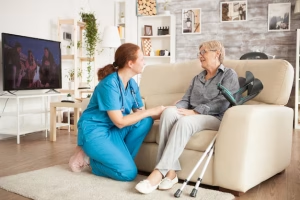
Hospital to home transition care is a coordinated approach that helps seniors move safely from hospital care back to their homes. It focuses on ensuring medical, emotional, and practical needs are met during recovery, including personal care for seniors such as bathing, dressing, and mobility support. The goal is to reduce complications, prevent readmissions, and support seniors’ independence while keeping families informed and confident in providing care.
Services included in transition care:
- Assistance with medication management and adherence
- Coordination with doctors and therapists for follow-ups
- Support for daily activities help at home
- Monitoring recovery progress and vital signs
- Emotional support and companionship for seniors
Benefits:
- Reduces post-hospital complications and emergency visits
- Provides continuity of care for smooth recovery
- Helps seniors regain confidence and independence
Importance of Discharge Planning
Effective discharge planning is a critical component of hospital to home care. It ensures that seniors have a clear plan for their recovery at home, including medications, appointments, dietary needs, and mobility support. Without proper planning, seniors face higher risks of complications, confusion, and readmission. Families who are informed and prepared can help their loved ones recover safely while maintaining quality of life.
Key aspects of discharge planning:
- Clear instructions for medication and treatment
- Scheduled follow-ups with doctors and therapists
- Equipment setup at home (e.g., walkers, grab bars)
- Training family caregivers for ongoing support
Recovery Continuity: How Home Care Supports Seniors
Maintaining recovery continuity after hospital discharge is essential to avoid setbacks. Home care caregivers provide the hands-on support needed for seniors to follow their recovery plan, manage medications, and maintain daily routines. This level of consistent support ensures that progress made in the hospital continues seamlessly at home.
How home care helps recovery continuity:
- Supervision for medication schedules and dosage
- Assistance with physical therapy or mobility exercises
- Monitoring for signs of complications or infections
- Emotional support to boost confidence and mental well-being
Elderly Rehabilitation at Home
Many seniors benefit from elderly rehabilitation at home, which allows them to recover in a familiar and comfortable environment. Home rehabilitation programs can include therapy, personal care, and companionship, all tailored to the senior’s individual needs. This approach encourages faster recovery, reduces stress, and promotes independence.
Components of home rehabilitation:
- Physical therapy exercises guided by caregivers
- Assistance with bathing, dressing, and meals
- Companionship to encourage social engagement
- Monitoring recovery milestones and reporting progress to doctors
Reducing Recovery Risks
Reducing recovery risks is a major goal of hospital to home transition care. Caregivers can prevent complications, falls, medication errors, and emotional stress by providing structured support. Families who understand potential risks and take proactive steps help seniors recover safely and confidently.
Ways to reduce recovery risks at home:
- Ensure safe home environment (remove trip hazards, proper lighting)
- Follow medication and therapy schedules closely
- Monitor for signs of infection, swelling, or pain
- Maintain regular communication with healthcare providers
Understanding the Role of Home Care
Understanding the role of home care is essential for families navigating post-hospital recovery. Home caregivers provide physical support, companionship, and health monitoring, making them a vital part of the recovery process. They bridge the gap between hospital care and independent living, helping seniors feel secure and supported.
Roles of home care during transition:
- Daily assistance with personal care and hygiene
- Supervision for safety and medication adherence
- Emotional support and engagement
- Coordination with medical professionals
Questions to Ask Before Hiring a Home Care Agency
Questions to Ask Before Hiring a Home Care Agency are essential for ensuring a smooth hospital to home transition. Selecting the right home care agency helps seniors receive safe, personalized, and professional care. Asking these questions also allows families to understand the agency’s services, caregiver qualifications, and emergency protocols, ensuring the best possible support during recovery at home.
Questions to consider:
- Are caregivers trained for post-hospital recovery and personal care?
- How is medication management handled?
- Can care plans be customized to my loved one’s needs?
- What is the policy for emergencies or sudden health changes?
- How are caregivers screened and monitored for quality?
It’s also important to understand payment options. Piedmont Home Care is a private pay provider and does not accept Medicare or Medicaid, so discussing pricing upfront can help families plan confidently for care.
For authoritative guidance on post-hospital care, visit CDC – Care Transitions for expert resources.
Conclusion
A well-planned hospital to home transition care program ensures seniors recover safely while maintaining independence and emotional well-being. With proper discharge planning, home care support, and careful monitoring, families can reduce recovery risks and provide a seamless transition from hospital to home.
Take the next step: contact Piedmont Home Care today to create a personalized transition care plan for your loved one and support their safe recovery at home. Services are offered on a private pay basis.
FAQs
What is hospital to home transition care?
It’s a coordinated approach to help seniors move safely from hospital to home while maintaining continuity of care.
Why is discharge planning important for seniors?
Proper planning prevents complications, ensures medication adherence, and provides guidance for follow-ups and daily care.
How can home care help post-hospital recovery?
Caregivers provide assistance with daily activities, medication management, therapy support, and companionship to ensure safe recovery.
Who needs hospital to home transition care?
Seniors recovering from surgery, serious illness, or those with chronic conditions benefit most from structured home transition care.
What are the risks of skipping proper transition care?
Without proper planning, seniors may experience readmissions, medication errors, falls, or slower recovery. Transition care minimizes these risks.