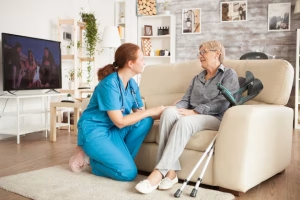
The role of home care in stroke recovery is vital for patients who want to regain independence and improve their quality of life. After a stroke, individuals often face challenges with mobility, speech, and daily activities. Professional support at home ensures that patients receive consistent post-stroke care, personalized care, and personal care assistance in the right environment for effective rehabilitation.
Home care goes beyond simple assistance; it provides emotional support, medical monitoring, and rehabilitation guidance. With the proper approach, patients can continue their rehab exercises at home, maintain social connections, and prevent complications, all while staying in the comfort of their own home.
Why Home Care is Essential After a Stroke
Stroke recovery is often a long and complex process. While hospitals and rehab centers provide acute care, ongoing support at home plays a crucial role in long-term recovery. Caregivers for seniors and trained home care professionals offer services tailored to each patient’s needs, such as assistance with personal care, mobility, and daily routines.
In addition to physical support, home care addresses emotional and psychological needs. Recovering from a stroke can be overwhelming, and the presence of trained caregivers provides reassurance and stability. This continuous support can improve compliance with therapy and help prevent setbacks.
Post-Stroke Care at Home
Post-stroke care at home focuses on safety, support, and recovery. This includes assistance with daily activities, therapy exercises, medication management, proper nutrition, and emotional support to help survivors regain independence and improve quality of life.
1. Personal Care Assistance
Many stroke survivors struggle with activities like bathing, dressing, and meal preparation. Personal care assistance from a home care agency ensures that patients maintain hygiene, nutrition, and comfort without overexertion. Assistance in these areas reduces the risk of falls and complications, while preserving dignity and independence.
2. Rehab Exercises at Home
One of the most important aspects of stroke recovery is regular rehabilitation. Home care professionals can assist patients through rehab exercises at home, including stretching, strengthening, and balance exercises. Consistency is key to regaining mobility and preventing muscle atrophy.
3. Speech and Mobility Support
Stroke can affect speech and movement. Specialized home care programs provide speech/mobility support, including exercises to improve articulation, comprehension, and physical coordination. Early intervention in these areas can significantly improve long-term outcomes.
Emotional and Psychological Support
Recovery from a stroke is not just physical it is also emotional. Feelings of frustration, depression, and anxiety are common among stroke survivors. Home care professionals offer emotional support and encourage social engagement, helping patients stay motivated throughout the recovery process.
Family members often play a vital role in providing support, but trained caregivers can offer structured routines and coping strategies that are crucial for mental well-being. Stroke caregiver tips include fostering patience, celebrating small milestones, and maintaining a positive environment.
Choosing the Right Home Care Agency
Selecting a reliable home care agency is essential for ensuring quality care. Consider these factors when making your choice:
- Credentials and Experience: Verify that caregivers have appropriate training in post-stroke care.
- Customized Care Plans: Look for agencies that tailor their services to each patient’s specific needs.
- Communication: Ensure there is clear communication between caregivers, healthcare providers, and family members.
- Client Feedback: Reviews and testimonials from other clients provide insight into the agency’s quality of service.
For example, Piedmont Home Care is known for its specialized programs in stroke recovery, offering personalized rehabilitation and emotional support.
How Home Care Helps Seniors Stay Independent Longer
One of the greatest benefits of professional home care is that it allows seniors to remain independent in their own homes. Services such as assistance with daily activities, medication management, and mobility support mean that seniors do not need to move into assisted living facilities prematurely. This aligns with the philosophy of How In Home Care Helps Seniors Stay Independent Longer, ensuring a sense of autonomy while receiving necessary support.
Questions to Ask Before Hiring a Home Care Agency
Before choosing a home care provider, it’s important to ask the right questions to ensure your loved one receives the best care:
- Are caregivers trained in post-stroke care?
- How are care plans customized for individual patients?
- What emergency protocols are in place?
- Are caregivers supervised and regularly evaluated?
- Can the agency provide references or testimonials?
Addressing these points helps families make informed decisions and ensures a higher quality of care.
Recognizing Early Signs of Complications
Home care professionals are trained to monitor for changes that may indicate complications, including stroke recurrence or other health issues. Recognizing early warning signs can prevent serious problems and ensure timely medical intervention. Families and caregivers should be aware of Recognizing Early Signs of Dementia, speech difficulties, or mobility setbacks that may require additional support.
The Role of Family in Home-Based Stroke Recovery
Family involvement is essential for successful home care. Even with professional support, family members can reinforce rehab exercises, provide emotional encouragement, and maintain a structured routine. Combining professional care with attentive family involvement maximizes recovery potential.
Why Home Care is a Game Changer in Post-Operative Recovery
Home care is not only beneficial for stroke recovery but also for post-operative rehabilitation. Why Home Care is a Game Changer in Post-Operative Recovery is clear: patients receive consistent monitoring, assistance with daily tasks, and support for physical therapy exercises, all within the comfort of home. This approach reduces readmission rates and speeds up overall recovery.
Incorporating Rehab Exercises at Home
Consistency with rehab exercises at home is critical for stroke survivors. Caregivers can guide patients through:
- Strengthening exercises for limbs affected by the stroke
- Balance and coordination routines to prevent falls
- Fine motor skill activities for hand and finger function
Regular practice accelerates progress and boosts confidence, making daily life more manageable.
Supporting Speech and Communication
Post-stroke patients may face challenges with speech and comprehension. Home care professionals provide speech/mobility support that focuses on:
- Pronunciation exercises
- Comprehension and language understanding
- Oral motor skills and swallowing techniques
These interventions improve communication, reduce frustration, and enhance social interaction, which is vital for emotional health.
Stroke Caregiver Tips for Daily Management
Caring for a stroke survivor can be demanding. Here are some practical stroke caregiver tips:
- Maintain a consistent routine for meals, medications, and exercises
- Encourage independence while offering assistance when needed
- Celebrate small achievements to boost morale
- Seek professional guidance from home care agencies to ensure proper technique and safety
Using these strategies helps reduce caregiver burnout and supports the recovery journey of the patient.
Personalized Care Plans
Every stroke survivor has unique needs. A tailored care plan ensures that each patient receives appropriate attention, whether it’s personal care assistance, rehab exercises, or emotional support. Home care agencies like Piedmont Home Care develop customized plans that address both short-term and long-term goals, ensuring the patient’s recovery is effective and sustainable.
Safety and Accessibility at Home
Modifying the home environment for safety is another critical aspect of home care. Caregivers help with:
- Installing grab bars and non-slip mats
- Organizing living spaces to prevent falls
- Ensuring easy access to medical supplies and mobility aids
These adjustments allow patients to move safely and confidently, reducing the risk of accidents and promoting independence.
Integrating Technology in Home Care
Modern home care often incorporates technology to monitor patient health. Wearable devices, video check-ins, and telehealth services allow caregivers to track recovery progress and intervene early if issues arise. This combination of technology and hands-on care maximizes the effectiveness of post-stroke support.
Emotional Well-Being and Motivation
Maintaining a positive mindset is crucial for stroke recovery. Home care professionals encourage patients through motivational strategies, social engagement, and emotional support. Structured activities, conversation, and goal-setting help patients stay active mentally and emotionally, which is key for long-term rehabilitation.
The Long-Term Impact of Home Care
The role of home care extends far beyond the immediate post-stroke period. Long-term benefits include:
- Sustained independence and self-confidence
- Improved adherence to rehab routines
- Reduced hospital readmissions
- Better quality of life for both patients and families
Investing in professional home care ensures that patients not only recover but thrive in their daily lives.
Final Thoughts
The role of home care in stroke recovery is indispensable. From post-stroke care and rehab exercises at home to speech/mobility support and stroke caregiver tips, professional support at home significantly improves recovery outcomes. Choosing a reputable home care agency, like Piedmont Home Care, ensures patients receive personalized attention, emotional support, and practical assistance, helping them regain independence and confidence.
With the right combination of professional care, family involvement, and tailored rehabilitation, home care becomes a powerful tool in stroke recovery, transforming lives and fostering long-term well-being. For more information or to explore personalized services, contact Piedmont Home Care to discuss your stroke recovery needs and how their team can support you at home.
FAQs
1. What is the role of home care in stroke recovery?
The role of home care in stroke recovery is to provide consistent support, including post-stroke care, rehabilitation guidance, and emotional support. Home care helps patients regain independence, maintain routines, and recover safely in the comfort of their own home.
2. How can home care help with rehab exercises at home?
Home care professionals guide patients through rehab exercises at home, including mobility, balance, and strength routines. Regular practice with supervision ensures safety, improves recovery outcomes, and prevents complications.
3. What types of support do home caregivers provide for stroke patients?
Caregivers offer a wide range of support, such as personal care assistance, meal preparation, medication reminders, speech/mobility support, and emotional encouragement. They help maintain a structured and safe environment for recovery.
4. How can family members assist stroke patients at home?
Family members play a crucial role alongside professional caregivers. Following stroke caregiver tips, families can reinforce rehab exercises, provide emotional support, and help maintain a positive routine, which boosts recovery and independence.
5. How do I choose the right home care agency for stroke recovery?
When selecting a home care agency, look for licensed caregivers with experience in post-stroke care, personalized care plans, and good communication with families and healthcare providers. Contacting reputable providers like Piedmont Home Care ensures professional and reliable support.