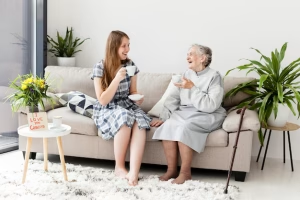
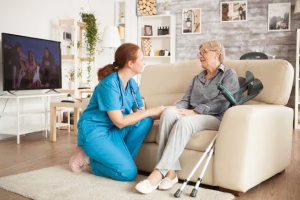
Aging brings unique challenges, but independence remains one of the most cherished aspects of life for older adults. Families often worry about how their loved ones will manage their daily routines safely and comfortably at home. With the right senior home care, many older adults can remain in familiar surroundings, enjoy a higher quality of life, and preserve dignity.
Professional in-home support not only ensures safety but also creates opportunities for meaningful engagement. Families gain peace of mind knowing their loved ones have guidance and companionship while still living life on their own terms.
The Value of Independence for Seniors
Independence is more than the ability to move around freely. It is closely tied to self-esteem, purpose, and emotional well-being. When seniors are able to continue their routines with some assistance, they often feel empowered and less limited by the natural effects of aging.
Remaining at home provides a sense of comfort that cannot always be replicated in a facility. Familiar environments, favorite belongings, and neighborhood connections create stability and confidence, making the transition into receiving support much smoother.
Emotional Benefits of Staying Independent
Emotional health is directly connected to independence. Older adults who stay active in decision-making often experience less loneliness and depression. Having the option to choose what to eat, when to rest, or how to spend leisure time can bring joy to everyday living.
Key emotional benefits include:
- Lower stress levels due to familiar surroundings
- Improved mood through continued personal choices
- Stronger sense of control and dignity
- Reduced risk of isolation and loneliness
Families in North Carolina, for example, often turn to home care Winston Salem professionals to give loved ones the opportunity to remain independent while still enjoying reliable daily support.
Practical Benefits of In-Home Support
Practical assistance is at the heart of in-home care. Tasks that may once have been simple can become difficult with age. Assistance ensures that seniors can continue performing everyday activities with dignity and safety.
Support often includes help with meals, bathing, dressing, and light housekeeping. These services provide relief to both seniors and their families, creating a healthier balance in daily life.
Maintaining Daily Living Routines
Daily living activities are the building blocks of independence. Whether it is cooking, grooming, or light exercise, having a reliable support system makes these activities possible. Seniors can avoid frustration from unfinished tasks and instead focus on the joys of life.
Examples of daily activities where support is beneficial:
- Preparing healthy meals and snacks
- Assistance with personal hygiene and grooming
- Support with laundry and light cleaning
- Guidance with physical exercises to maintain mobility
Many families seek home care services because they make everyday living manageable, reduce safety risks, and allow older adults to enjoy more fulfilling days.
Personalized Assistance for Comfort and Safety
Every individual has unique needs, which is why a personalized care plan is essential. Customized care plans address physical, emotional, and social well-being, allowing seniors to thrive.
The right professional understands that no two people require the same approach. Tailoring assistance to match a person’s preferences promotes cooperation and trust, which are crucial in building a comfortable home environment.
Mobility Support and Safety at Home
Falls are one of the biggest risks for older adults. Assistance with mobility ensures safety while also encouraging activity. Walking, climbing stairs, or simply moving around the home becomes easier with guidance, reducing the risk of accidents.
Bullet points for mobility-related support include:
- Gentle reminders and assistance when moving around
- Help with walkers, canes, or other supportive devices
- Home safety checks to reduce fall hazards
- Guidance with stretching or light movement activities
Families choosing a trusted home care agency often appreciate how tailored services improve safety without compromising independence.
Professional Guidance for Families
Caring for an aging parent or loved one can be overwhelming. Families want to provide the best support possible but may not have the time or training needed. Professional guidance eases this burden by providing experienced care tailored to individual needs.
Families benefit from knowing their loved ones are cared for by professionals who understand aging challenges. This balance allows relatives to spend more meaningful time together instead of focusing solely on caregiving responsibilities.
Role of Communication and Transparency
Clear communication between professionals and family members ensures the care plan continues to meet evolving needs. Regular updates, check-ins, and discussions about preferences create a collaborative environment that prioritizes the well-being of the senior.
Key benefits of transparent communication:
- Confidence in the care provided
- Peace of mind for family members
- Opportunity to adjust services as needed
- Better coordination for long-term health
Experienced caregivers for seniors also bring specialized training, which reassures families that their loved ones are safe, supported, and respected.
Building Strong Connections Through Care
Care is not only about tasks but also about building relationships. Having someone to share conversations, hobbies, or quiet moments with can significantly reduce feelings of isolation. Companionship enhances emotional health and contributes to overall happiness.
Seniors often look forward to the presence of a supportive companion. This reassurance nurtures emotional stability and gives families greater confidence in the well-being of their loved ones.
The Role of Community and Belonging
Staying at home does not mean being cut off from the community. In fact, in-home support can encourage seniors to remain engaged with neighbors, clubs, or local events. Maintaining these social ties helps sustain a sense of purpose and belonging.
Ways seniors can stay connected with support:
- Attending local senior or community centers
- Participating in neighborhood gatherings
- Enjoying safe outdoor activities like walking groups
- Staying in touch with friends and family through digital tools
For many families, senior home care creates the bridge between independence and belonging, helping older adults maintain both personal comfort and community connections.
Specialized Services to Support Daily Life
Some older adults need more than companionship or help with chores. Specialized services address particular health or lifestyle concerns, ensuring seniors can manage safely at home.
Services may include assistance with memory challenges, recovery support after surgery, or guidance in managing mobility limitations. The adaptability of these services makes in-home support one of the most effective ways to promote independence.
Encouraging Healthy Habits
Remaining independent often depends on maintaining good health. Support can include reminders to take medication, eat nutritious meals, or stay active. These efforts have a powerful impact on overall wellness and longevity.
Examples of healthy habits encouraged through support:
- Balanced meal planning and hydration reminders
- Daily exercise or stretching routines
- Regular sleep schedules for better rest
- Mental stimulation through reading, puzzles, or music
Families often look for elderly home care services that combine physical support with healthy living encouragement to promote long-term well-being.
Comparison of Support at Home and Facility Care
The decision between staying at home or moving to a care facility is significant. Families often consider both options before making a choice.
Below is a comparison that highlights key differences:
| Aspect | In-Home Support | Facility Care |
| Environment | Familiar home surroundings | New and shared living spaces |
| Independence | Maintains daily routines and choices | Structured schedule |
| Emotional Well-being | Personal attention and comfort | Less individualized focus |
| Family Involvement | Active participation possible | Limited visiting hours |
| Cost Flexibility | Tailored to specific needs | Standardized costs |
This comparison demonstrates why many families choose the flexibility and personalization of in-home support over facility living.
The Role of Trusted Professionals
Selecting the right professional support can make all the difference. It is important to choose services with experience, compassion, and a strong reputation.
A well-established provider often brings training and resources that ensure seniors are safe and comfortable. Families can feel confident knowing that their loved ones are receiving high-quality guidance tailored to their unique needs.
Long-Term Benefits for Families
When families trust professionals to provide support, they experience peace of mind. This assurance not only benefits the seniors receiving care but also strengthens family relationships by reducing stress and allowing for more meaningful interactions.
Additional benefits include:
- Consistent care that adapts to changing needs
- Reduced caregiver burnout for family members
- More opportunities to create positive family moments
- A sense of security that loved ones are protected
The availability of elderly personal care services ensures that loved ones receive assistance tailored to their health, lifestyle, and preferences while families enjoy peace of mind.
Conclusion
Remaining independent at home is possible with the right assistance. Professional support empowers seniors to live with dignity, maintain routines, and stay connected to loved ones and the community. Families can rely on this guidance to balance their own responsibilities while ensuring safety and comfort for older adults.
By focusing on both practical needs and emotional well-being, in-home services provide a comprehensive solution that benefits seniors and their families alike. Choosing the right provider can make all the difference in creating a safe, happy, and independent future for aging loved ones.
For families considering options, professional services such as personal care for seniors or even specialized support like personal care assistance can transform the way older adults experience daily life at home. With a trusted personal care attendant, independence becomes not just possible but sustainable for many years. Contact us today to discuss your family’s needs and discover how our personalized care solutions can help your loved one live safely, comfortably, and independently at home.
FAQs
1. What is the main benefit of in-home support for seniors?
The main benefit is the ability for seniors to maintain independence while receiving necessary assistance with daily activities in the comfort of their own homes.
2. How does in-home support improve safety?
It reduces the risk of accidents by providing mobility assistance, monitoring daily routines, and ensuring a safe living environment.
3. Can personalized support adapt to changing needs?
Yes, care plans are flexible and can be adjusted as health or lifestyle needs evolve, ensuring continued comfort and independence.
4. How does family involvement fit into in-home support?
Families can actively participate, receive updates, and collaborate with professionals to create the best care experience.
5. What should families look for in a provider?
Families should look for experience, compassion, reliability, and the ability to customize services based on individual needs.