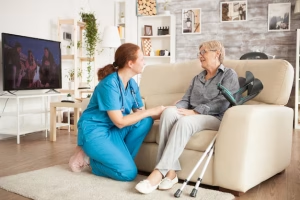
Caring for an aging parent or elderly relative is a deeply personal responsibility. Families often want to do everything themselves, but over time, the demands can become overwhelming. Recognizing when it is the right moment to bring in professional support is not always easy. Many people wonder whether the changes they see in their loved one are just part of normal aging or whether they are early indicators that more help is needed. Families often reach out to a home care agency once they realize that the safety and independence of their loved one may be at risk.
Knowing the signs ahead of time helps avoid last-minute decisions made during a crisis. It also provides a smoother transition into care, where seniors can receive support while maintaining dignity. Below, we outline ten signs that suggest it may be time to consider professional assistance and why each one matters.
Declining Ability to Manage Daily Routines
One of the first warning signs is difficulty managing basic routines. Simple tasks like cooking, dressing, or using the bathroom independently may become challenging. These tasks, often referred to as activities of daily living, are essential to maintaining independence. If your loved one is struggling with these, it may be time to step in.
Why This Matters
When independence declines, so does confidence. Seniors may feel embarrassed asking for help, which can lead to avoidance of necessary tasks. By acknowledging these struggles, families can find respectful solutions that allow older adults to maintain comfort and dignity.
What You Can Do
- Observe whether routines take significantly longer to complete
- Check if your loved one avoids certain activities altogether
- Discuss whether small adjustments, such as adaptive equipment, could help before bringing in outside assistance
Increased Forgetfulness or Missed Appointments
Memory issues can move beyond minor forgetfulness. Missing appointments, failing to pay bills, or forgetting to eat meals can create real risks. While everyone forgets things occasionally, repeated incidents signal something more serious.
Warning Indicators
- Confusion with time or place
- Unopened mail piling up
- Missed prescription refills
Why This Should Not Be Ignored
Even mild cognitive decline can snowball into dangerous situations. Families may notice that their loved one denies the problem or covers it up, but this only delays important conversations. Acting early ensures that proper safeguards are in place before risks escalate.
Noticeable Strain on Family Caregivers
Family members often step into caregiving roles naturally, but the emotional and physical toll can be heavy. Long hours, interrupted sleep, and constant worry take their toll on well-being. Many families eventually turn to caregivers for seniors sharing responsibilities and restore balance at home.
How This Impacts Families
When family caregivers are exhausted, their ability to provide quality care decreases. Stress can also lead to tension in relationships, especially when multiple family members are involved in decision-making. Having outside support can prevent burnout and ensure the loved one receives consistent, attentive care.
Safety Concerns Around the Home
Homes that were once safe can slowly become hazardous. Falls are among the leading causes of hospitalizations for seniors, and cluttered walkways, poor lighting, or unsafe stairs make the risks even higher. In addition, leaving stoves on or wandering at night may create emergencies that families are unprepared for.
Common Hazards
- Loose rugs and cords that increase the risk of tripping
- Limited mobility making staircases unsafe
- Appliances left running unattended
Practical Next Steps
Simple home modifications may help, but in many cases, having someone present regularly makes the biggest difference. This ensures that safety measures are maintained, and potential risks are addressed immediately.
Declining Personal Hygiene or Grooming
Changes in hygiene habits often go unnoticed at first. You might notice unwashed hair, unchanged clothing, or a reluctance to bathe. These can be signs that bathing or grooming has become physically difficult, or that motivation is affected by emotional or cognitive decline.
Understanding the Shift
Sometimes the issue is embarrassing about asking for help. In other cases, mobility limitations make tasks like showering unsafe. Families should look beyond the surface to understand why these changes are occurring and take steps to restore confidence and well-being.
Changes in Eating Habits or Nutrition
Nutrition is critical for maintaining strength and immunity. However, seniors may skip meals, eat repetitive foods, or depend on processed items for convenience. This can lead to malnutrition or unintentional weight loss. In such cases, families may consider services that include meal preparation as part of regular support.
Signals to Watch For
- Noticeable weight loss or gain
- Expired food in the refrigerator
- Lack of interest in favorite foods
Why It Matters
Poor nutrition can worsen existing medical conditions, reduce energy, and affect mood. With proper assistance, older adults can enjoy healthier meals and renewed vitality.
Difficulty with Household Chores
Daily chores such as cleaning, laundry, and shopping may become too physically demanding over time. A once-organized home may begin to show clutter, dust, or piles of laundry. These changes often reflect an inability to keep up with physical demands rather than a lack of interest. Professional support that includes light housekeeping can restore a safe and clean-living environment.
Why It Matters
An untidy home not only affects comfort but can also create health hazards. Dust, spills, and clutter can worsen allergies, increase the risk of falls, and reduce overall quality of life.
Requiring Assistance with Personal Needs
For many families, one of the clearest indicators that help is needed is when their loved one requires assistance with personal tasks. This may include help with eating, mobility, or grooming. Having respectful personal care assistance ensures seniors maintain dignity while receiving the support they need.
Benefits of Support
Professional help allows loved ones to remain in their homes longer while staying safe and comfortable. It also relieves family members from tasks that may feel overwhelming or too personal.
Increased Medical Needs
Aging often brings complex health needs that require careful monitoring. Juggling multiple prescriptions, specialist visits, and health conditions can quickly overwhelm both seniors and their families. In such cases, professional medication management helps ensure safety and consistency.
Key Considerations
- Are prescriptions taken at the right time every day?
- Is someone tracking possible side effects?
- Are medical appointments being followed up with properly?
Why Support is Essential
Missed medications or errors in dosage can lead to serious health risks. Having structured oversight creates peace of mind for both families and seniors.
Signs of Loneliness or Withdrawal
Isolation has a powerful impact on emotional health. Seniors who no longer participate in social activities, withdraw from friends, or appear sad may be struggling with loneliness. Professional support that includes personalized care often provides companionship alongside assistance, reducing the risks of isolation.
The Human Connection
A strong sense of connection boosts mood, reduces stress, and even improves physical health. Companionship ensures older adults feel valued and engaged, which enhances overall quality of life.
Table of Early Warning Signs and Responses Conclusion
| Warning Sign | What It May Indicate | Suggested Response |
| Trouble with bathing or dressing | Loss of independence in routine tasks | Seek supportive assistance |
| Missed medications or appointments | Declining memory or health management | Explore professional oversight |
| Family caregiver exhaustion | Strain on loved ones | Consider outside support |
| Unsafe home environment | Risk of accidents or injury | Make changes or add professional help |
| Noticeable decline in hygiene | Struggles with self-care | Provide respectful assistance |
| Poor diet or missed meals | Difficulty cooking or forgetting to eat | Arrange nutritional support |
| Household neglect | Inability to maintain chores | Provide cleaning and organizational help |
| Increased medical needs | Health challenges or complex routines | Ensure reliable monitoring |
| Emotional withdrawal | Risk of loneliness or depression | Encourage companionship |
| Loss of physical mobility | Difficulty moving independently | Seek professional evaluation |
Conclusion
Deciding when to seek additional support for an aging loved one is never simple, but paying attention to small changes can make all the difference. Early recognition of these signs allows families to act with care rather than react to emergencies. By approaching the decision thoughtfully, you ensure that your loved one remains safe, comfortable, and respected as their needs evolve. If you are noticing these patterns, it may be the right time to explore the different options available for home care services and plan for a smoother path forward.
For guidance on choosing the right care plan, consider reaching out to professionals who can walk you through the available options and help you make an informed decision.
Frequently Asked Questions
How do I know if my loved one really needs professional support?
Look for patterns rather than isolated incidents. If daily tasks, safety, or health consistently appear at risk, it may be time to seek assistance.
Is in-home care only for people with serious medical issues?
Not at all. Many individuals benefit from support with everyday routines or companionship, even if they do not have major medical concerns.
What are the benefits of seeking assistance early?
Early intervention prevents emergencies, reduces stress for family members, and helps seniors maintain independence longer.
Can home support be temporary?
Yes. Families often seek support after surgery, illness, or recovery. Services can be short-term or long-term depending on needs.
How should families begin the conversation about care?
Approach the discussion with empathy. Focus on safety and comfort rather than limitations, and emphasize that care is about support, not loss of independence.